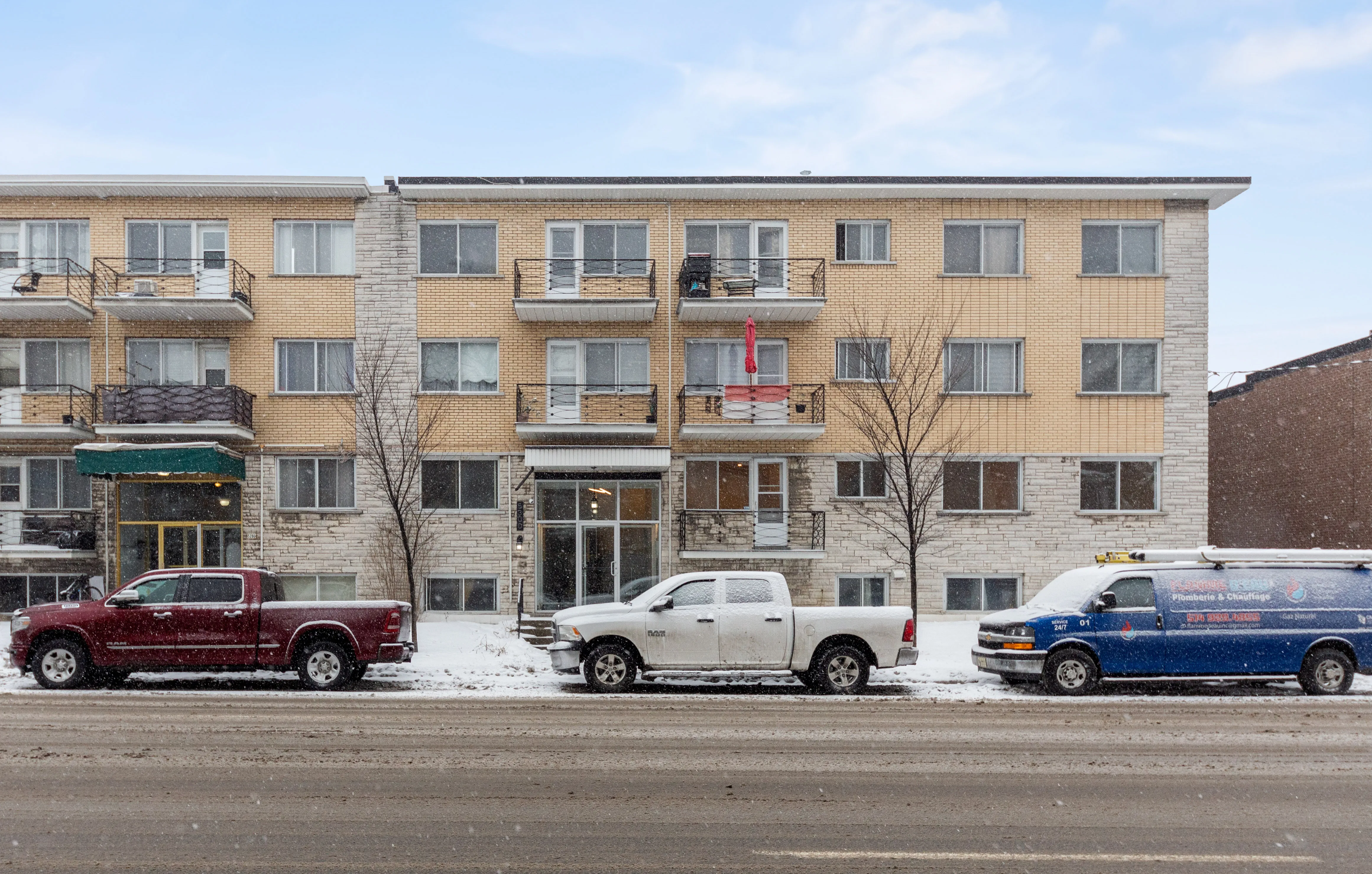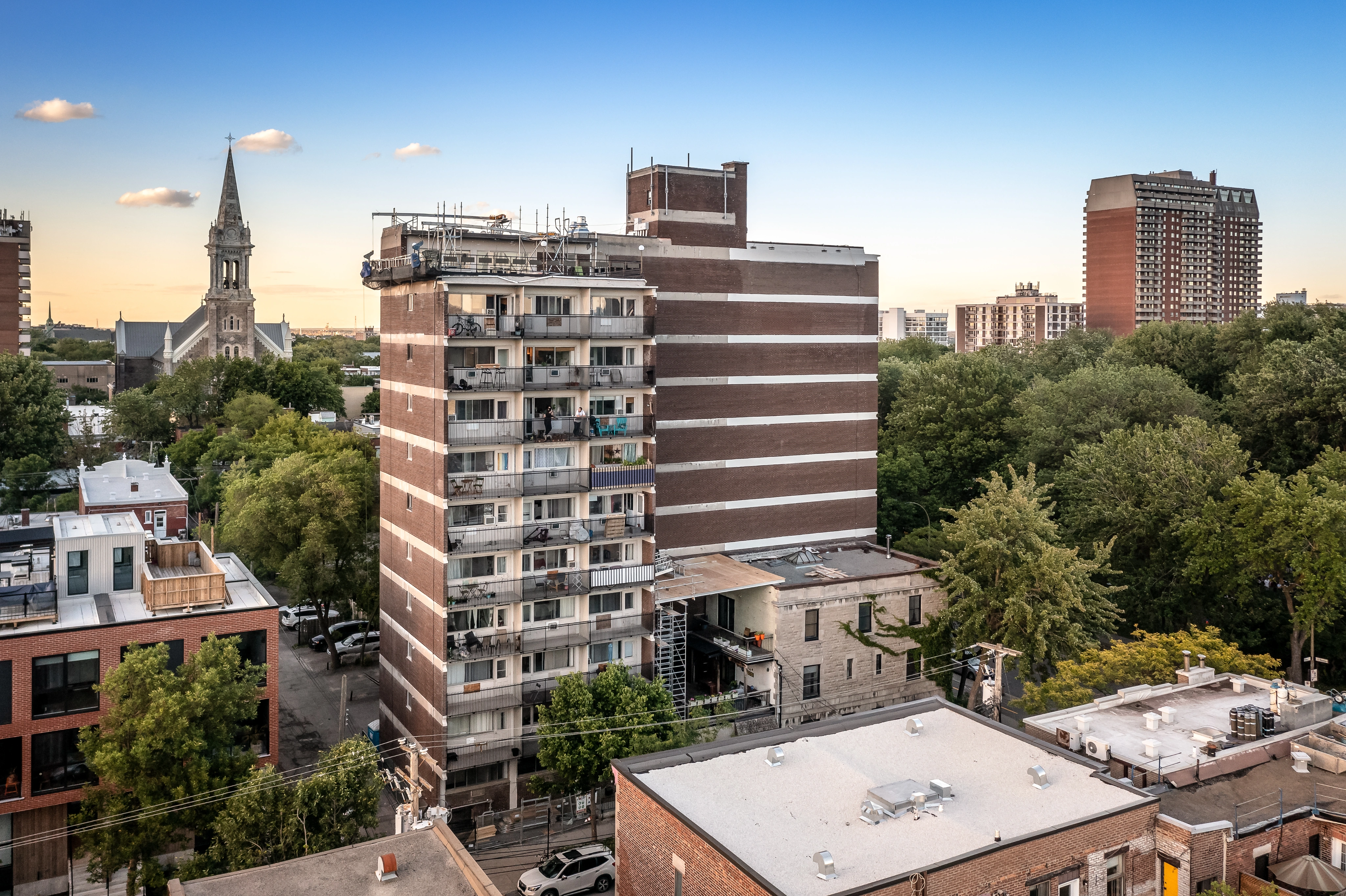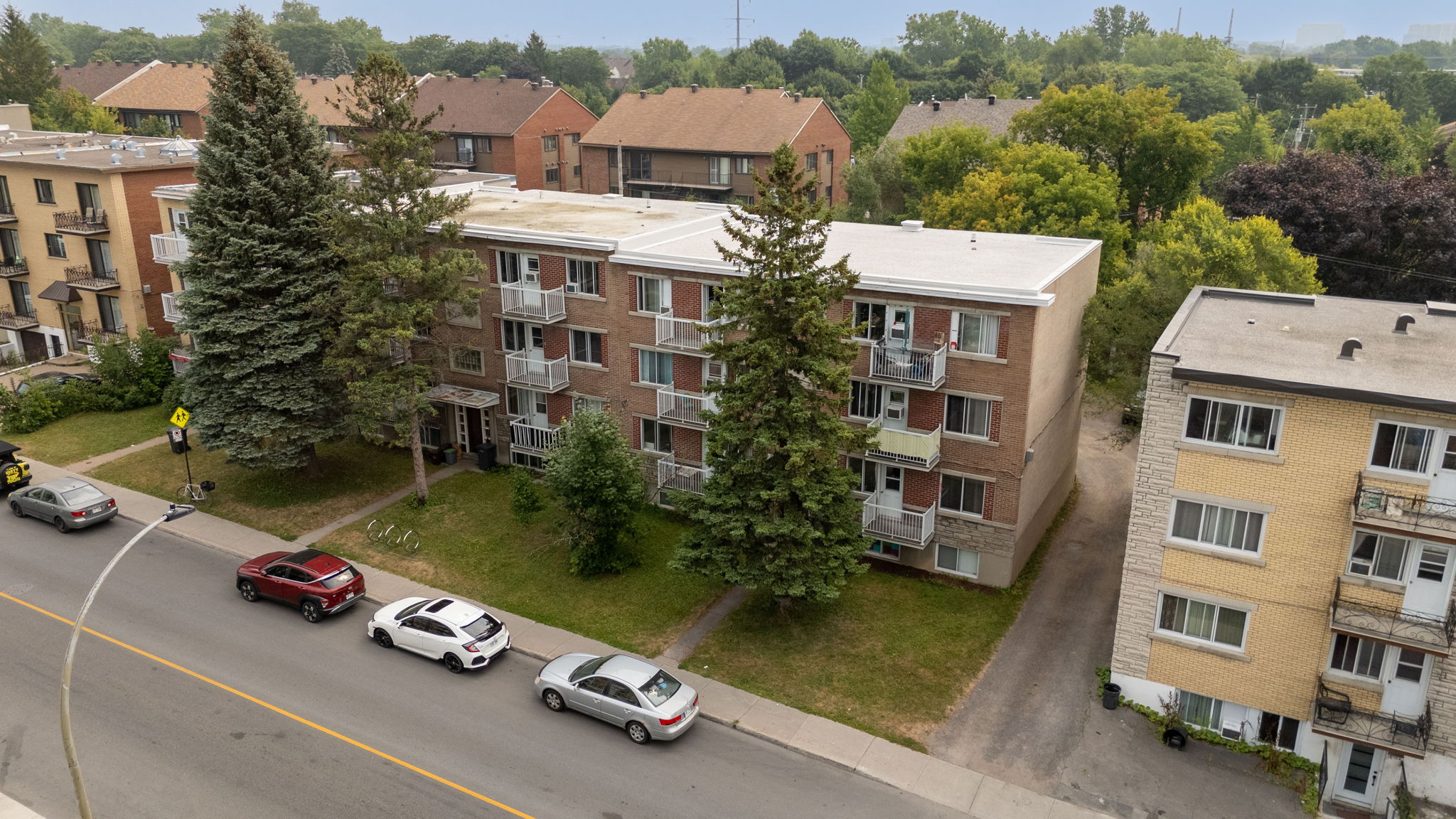
The TAL's base rent increase for 2026 is 3.1%. It applies to leases starting between April 2, 2026 and April 1, 2027, and it's the first rate calculated under a completely new method. For multifamily owners in Montreal, this changes how increases are justified and how you should model your buildings.
At VisionDev, we run this calculation every month across a portfolio of more than 20 buildings in Greater Montreal. Here's what we're seeing.
Until 2025, the TAL based its calculation on each building's revenues and operating expenses. Since January 1, 2026, the base increase follows the average of Quebec's general consumer price index (CPI) over three years. The new method applies to every lease-modification notice sent on or after January 1, 2026.
The reform lists the work that can justify an increase above the base rate:
Subsidies received for the work must be deducted from the calculation. If you're planning energy work, it can also help your financing. See how we refinanced a 28-unit building through CMHC's MLI Select.
A rent increase adds almost no expenses, so most of it flows straight to net operating income (NOI). On a $1,000 unit:
On a 12-unit building, one renewal cycle creates close to $90,000 in value. The reverse is also true: every year rents fall behind the market, the gap gets harder to close.
For a 12-month lease ending June 30, the notice must be sent between January 1 and March 31. Miss that window and the lease renews at the same rent. The tenant has one month to respond. If the tenant refuses but stays, the owner has one month to file for a rent fixation at the TAL. Otherwise, the lease renews at the current rent.
3.1% for leases starting between April 2, 2026 and April 1, 2027, based on the three-year average of Quebec's CPI.
Yes, if the increase is justified by eligible major work or by tax and insurance increases. The tenant can refuse, and the TAL decides if the owner files for a rent fixation.
For a 12-month lease ending June 30, between January 1 and March 31.
Analyzing a building? Our free Cruncher analysis tool helps you model rent scenarios and their impact on value.


Building Tomorrow’s Communities Today