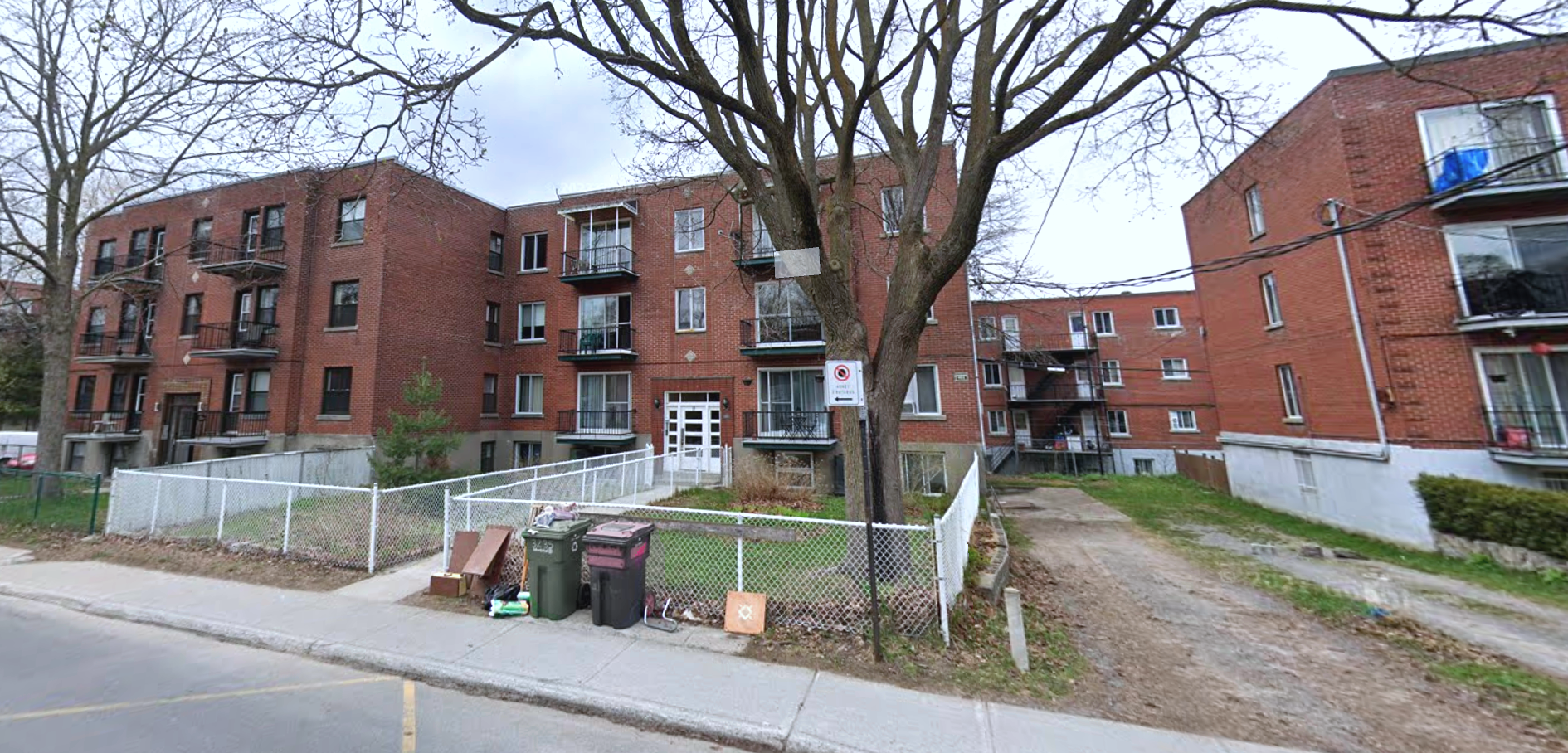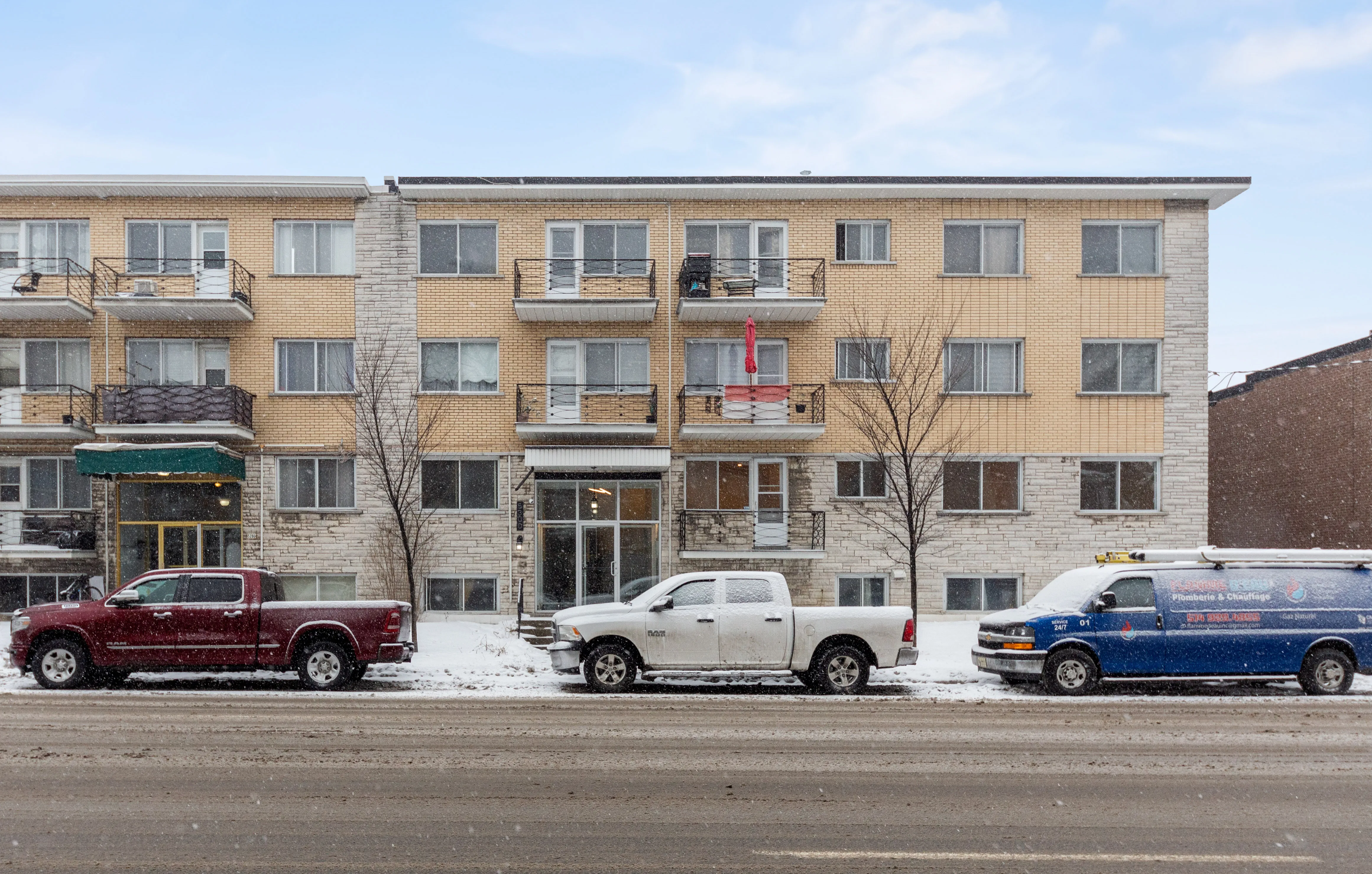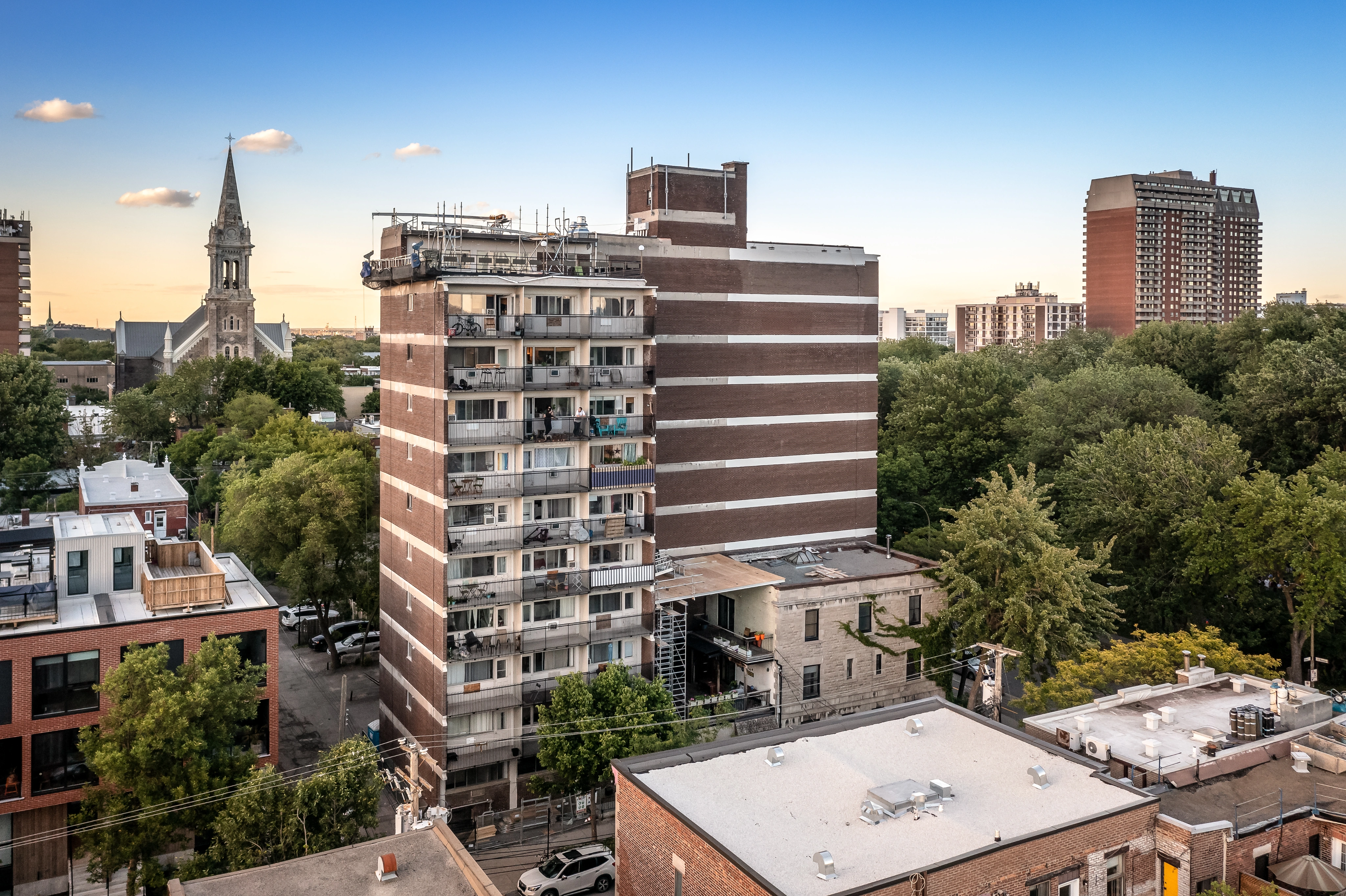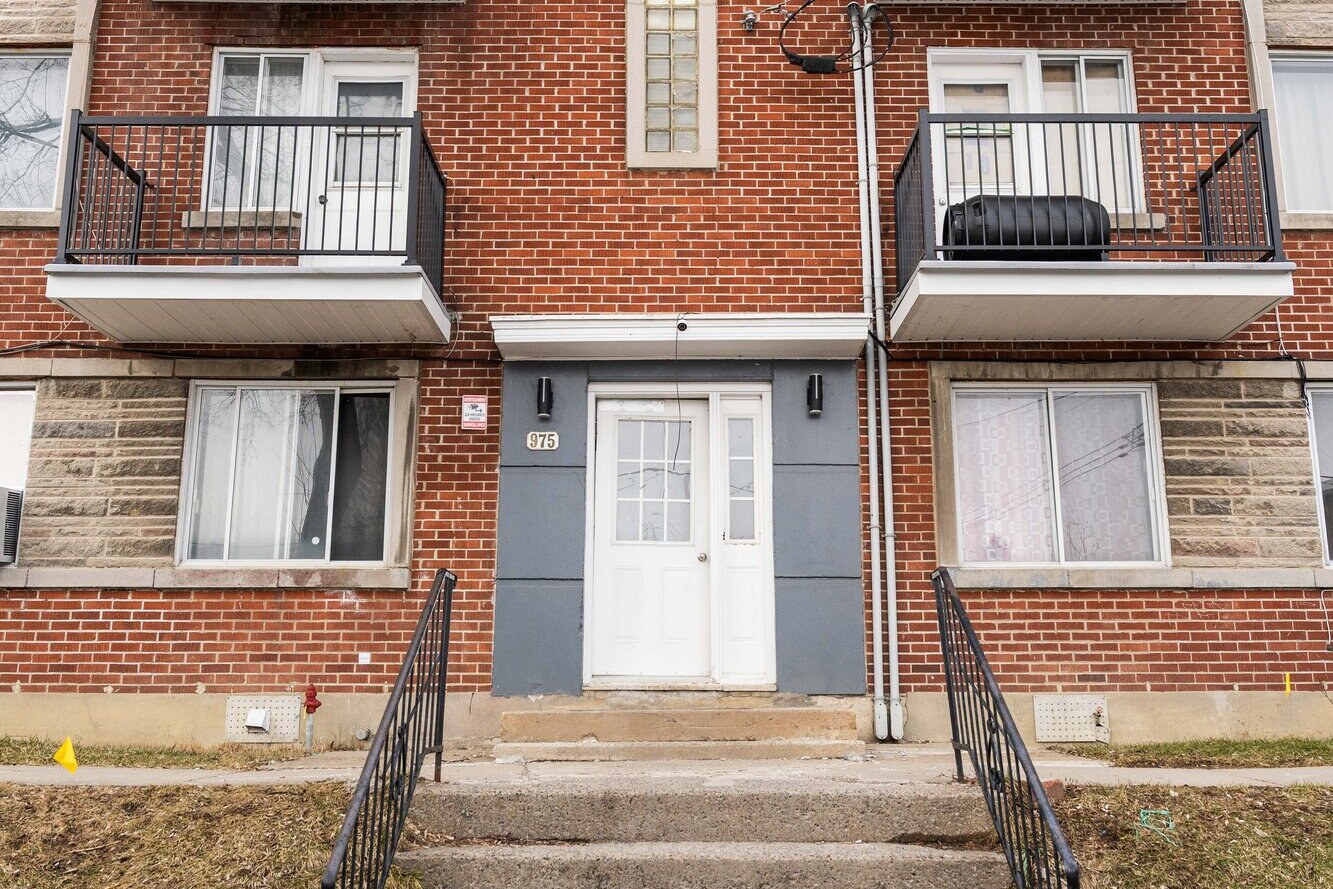
All 11 of VisionDev's buildings were bought with the tenants in place: we have never asked a seller to empty a unit before closing. A lease in force and well documented is worth more to us than a vacant unit. The three documents we ask for first: the rent roll with renewal dates, the rent increase notices already sent, and the list of open files at the TAL.
Yes, you can sell a building with tenants in it, and in Quebec that is how most rental properties are sold. The leases follow the building: the new owner takes over every lease as it stands, with the same rent, the same term and the same conditions (article 1937 of the Civil Code of Québec). Nothing changes for the tenants on the day of the sale, and you do not need their consent to sell.
What does change is what the buyer can do afterwards, what you have to disclose, and how the tenants in place affect your price. Here is what we see on the ground, having bought every one of our buildings occupied.
The buyer becomes the landlord by operation of law. Concretely:
Only in two narrow cases, and the sale itself is never a reason.
Repossession (reprise de logement). Only a landlord who is a natural person can repossess a unit, to live in it or to house a parent, child or other dependent relative. A company, a fund or two unrelated co-owners cannot. The notice must be sent at least 6 months before the end of a lease of more than 6 months, and the tenant can contest it at the TAL. For a 6-unit or 12-unit building bought by a corporation, repossession is simply not available.
Eviction (éviction) for subdivision, substantial enlargement or change of use. Also with 6 months' notice, and since 2024 the indemnity is one month of rent per year of uninterrupted occupation, with a minimum of 3 months and a maximum of 24, plus reasonable moving expenses. On top of that, Quebec adopted a three-year moratorium on these evictions in June 2024 (Bill 65), in force until June 2027, except in regions where the vacancy rate exceeds 3%. In Greater Montreal, this means a buyer cannot plan on evicting tenants to subdivide or convert.
A buyer who tells you they will "empty the building and redo everything" is therefore either planning to negotiate voluntary departures (cash for keys), which the tenant is always free to refuse, or does not know the rules. Either way, that is a risk for your closing, not an argument for a higher price.
No law requires you to inform tenants before or during the sale. In practice, they will find out when visits start, and a short, factual note works better than rumours. What the Civil Code does regulate is access:
After closing, the new owner writes to each tenant with their name, address and where to pay rent. Until that letter arrives, tenants are entitled to keep paying you, so coordinate the date with the buyer.
Buyers with financing and serious direct buyers all ask for roughly the same file. Having it ready shortens the sale by weeks.
| Document | Why it matters |
|---|---|
| Copy of every lease, with Section G (previous rent) filled in | Proves the income and shows whether rents were set lawfully |
| Rent roll: unit, tenant, rent, services included, lease end date | The basis of the valuation; renewal dates show when rents can move |
| Rent increase notices sent and tenant responses | Shows what next year's income will be |
| List of TAL files, open or closed in the last 3 years | Disputes and arrears affect value and financing |
| Expenses for the last 2 years: taxes, insurance, energy, maintenance | Needed to compute net operating income |
| Certificate of location, municipal tax bills, insurance policy | Required by the notary and the lender |
| Work done and warranties (roof, windows, heating) | Reduces the buyer's risk discount |
It depends on the rent. For a building of 5 units or more, value rests on net operating income, as we explain in how much a plex is worth in Montreal. A unit rented at market is worth exactly what it produces. A unit rented well below market lowers today's value, but a buyer will price in the upside at renewals. A vacant unit is worth its market rent minus the renovation and leasing cost, and it lets the buyer set the rent freely.
Two practical consequences:
| Stage | With a broker | Direct sale to VisionDev |
|---|---|---|
| Listing to accepted offer | 4 to 12 weeks | 48 hours to 2 weeks |
| Due diligence | 15 to 30 days | 15 to 30 days |
| Financing and closing | 30 to 90 days | 30 to 60 days |
| Total | 3 to 6 months | 2 to 3 months |
| Commission | Typically 2 to 5% of the price | None |
Tenants in place are not an obstacle to a sale. They are the income the buyer is paying for. Document the leases, keep the visits disciplined, and be clear about what the buyer can and cannot do afterwards.
VisionDev buys buildings of 8 units or more across Greater Montreal, directly, with the tenants in place and without commission. If you are thinking of selling, request our free preliminary analysis: you get a written number within a few days, and your tenants hear about it only when you decide.
Yes. In Quebec, a rental building is almost always sold occupied. The leases follow the building, the buyer becomes the landlord on the day of the sale, and you do not need the tenants' consent. You only have to give 24 hours' notice before each visit.
Not because of the sale. Only a natural person can repossess a unit, for themselves or a close relative, with 6 months' notice. Evictions for subdivision, enlargement or change of use are under a moratorium until June 2027 in most of Quebec and, where allowed, require an indemnity of at least 3 months' rent plus moving costs.
No law requires it before the sale. You must give 24 hours' notice for each visit, between 9 a.m. and 9 p.m. After closing, the new owner informs tenants in writing of their name, address and where to pay rent.
They continue unchanged: same rent, same end date, same conditions, including any increase notice you already sent. Open files at the TAL also carry over to the new owner.
Rarely for buildings of 5 units or more. Value is based on net operating income, so a unit rented at market is worth what it produces, while a vacant unit is worth its market rent minus renovation and leasing costs. Do not pay tenants to leave or sign a below-market lease just before selling.


Building Tomorrow’s Communities Today